Calculadora de la relación de ajuste de patrones (PAR) para tejidos elásticos y diseño de patrones
Utiliza nuestra calculadora gratuita de Relación de Ajuste de Patrones (PAR) para adaptar las medidas de tus patrones de costura a telas elásticas. Introduce tus medidas corporales y los valores de elasticidad deseados a continuación para obtener resultados al instante.
Al diseñar una prenda elástica, se calculan dos valores PAR: uno para el ancho y otro para el largo .
Nota: PAR es el mismo para pulgadas y centímetros; las unidades se cancelan, así que use la que prefiera.
PAR = Medida de elasticidad de la tela ÷ Medida corporal
P.A.R. Width Calculator
P.A.R. Length Calculator
Cómo encontrar el estiramiento deseado
Antes de usar la calculadora, debes probar tu tela y registrar la elasticidad deseada . Esta es la medida de la tela cuando se estira hasta alcanzar una tensión cómoda.
Width (Circumference)
- Measure your body’s bust circumference. Wrap a tape measure around the fullest part of your chest, just under the armpits. Write this down — this is your body bust measurement. Example: 43 inches.
- Cut a test strip of your stretch fabric. It should be about 6 inches tall (up and down) by the length of your bust circumference measurement. Example: 6 inches × 43 inches.
- Make sure the direction with the greatest stretch runs horizontally across the strip.
- Pin one edge of the fabric at your side seam, then wrap it around your bust, front and back.
- Pull the fabric until it feels snug but still comfortable. This is your desired tension.
- Mark and pin the point where the free edge of the fabric meets the side seam pin.
- Remove the fabric and measure the distance between the pinned edge and your tension pin, without stretching. This is your desired bust stretch. Example: 33 inches.

Length (Vertical)
- Measure your back length from the center back of your neck to your natural waistline. Write this down. This is your body back length measurement. Example: 18 inches.
- Cut a test strip of your stretch fabric. It should be about 6 inches wide (side to side) by the length of your back measurement. Example: 6 inches × 18 inches.
- Orient the strip so the least stretchy direction runs vertically from neck to waist. (The garment should stretch more side-to-side than up-and-down.)
- Pin the top of the strip at the back neck point, then gently pull it down toward the waist.
- Pull only until the fabric feels smooth and comfortable. Do not pull to maximum stretch. This is your desired tension for length.
- Mark the point on the fabric where it reaches the waist at that comfortable tension.
- Remove the fabric and measure the distance from the neck pin to the waist mark without stretching. This is your desired back length stretch. Example: 13 inches.

Preguntas frecuentes - Relación de ajuste de patrón (PAR)
¿Qué es el Índice de Ajuste de Patrón (PAR)?
La proporción de ajuste del patrón (PAR) es el porcentaje que se utiliza para escalar los patrones de costura al trabajar con telas elásticas. En lugar de dibujar los patrones a tamaño real, se aplica una proporción que tiene en cuenta la elasticidad de la tela para garantizar un ajuste perfecto.
¿Cómo calculo el PAR?
La fórmula es sencilla: PAR = Medida deseada ÷ Medida corporal
Ejemplo:
- Circunferencia del busto = 43,5"
- Contorno de busto deseado = 33"
- PAR = 33 ÷ 43,5 = 0,76 (76%)
¿Cómo aplico PAR a los patrones?
Una vez que conozca su PAR, aplíquelo a las medidas horizontales y verticales de su patrón.
B–C = (Contorno de busto ÷ 2) × PA
Ejemplo: (43,5 ÷ 2) × 0,76 = 16,5"
¿Por qué debería usar PAR?
- Garantiza que las prendas elásticas se ajusten correctamente sin abrirse ni deformarse.
- Ajusta tanto el ancho como el largo para lograr proporciones fieles al cuerpo.
- Ahorra tiempo en comparación con el ajuste por ensayo y error.
¿Cuáles son los valores PAR promedio para diferentes tejidos elásticos?
La proporción depende del porcentaje de elasticidad de tu tejido; no existe un valor universal. Sin embargo, estos son los rangos más comunes que se utilizan en la práctica:
- Tejido estable / elasticidad ligera (10–20% de elasticidad): PAR ≈ 95–98% de la medida corporal (muy cercano al tamaño del cuerpo).
- Elasticidad media (25–40% de elasticidad): PAR ≈ 90–95% de la medida corporal.
- Alta elasticidad (50–75% de elasticidad, como spandex/lycra): PAR ≈ 80–90% de la medida corporal.
- Súper elástico (más del 80% de elasticidad, ropa de baile/trajes de baño): PAR ≈ 70–80% de la medida corporal.
👉 En otras palabras, la mayoría de los valores PAR promedio para la confección de moda y vestuario se encuentran entre el 80% y el 95% , dependiendo de la tela.
Learn More Sewing Techniques
Browse Our Sewing Patterns
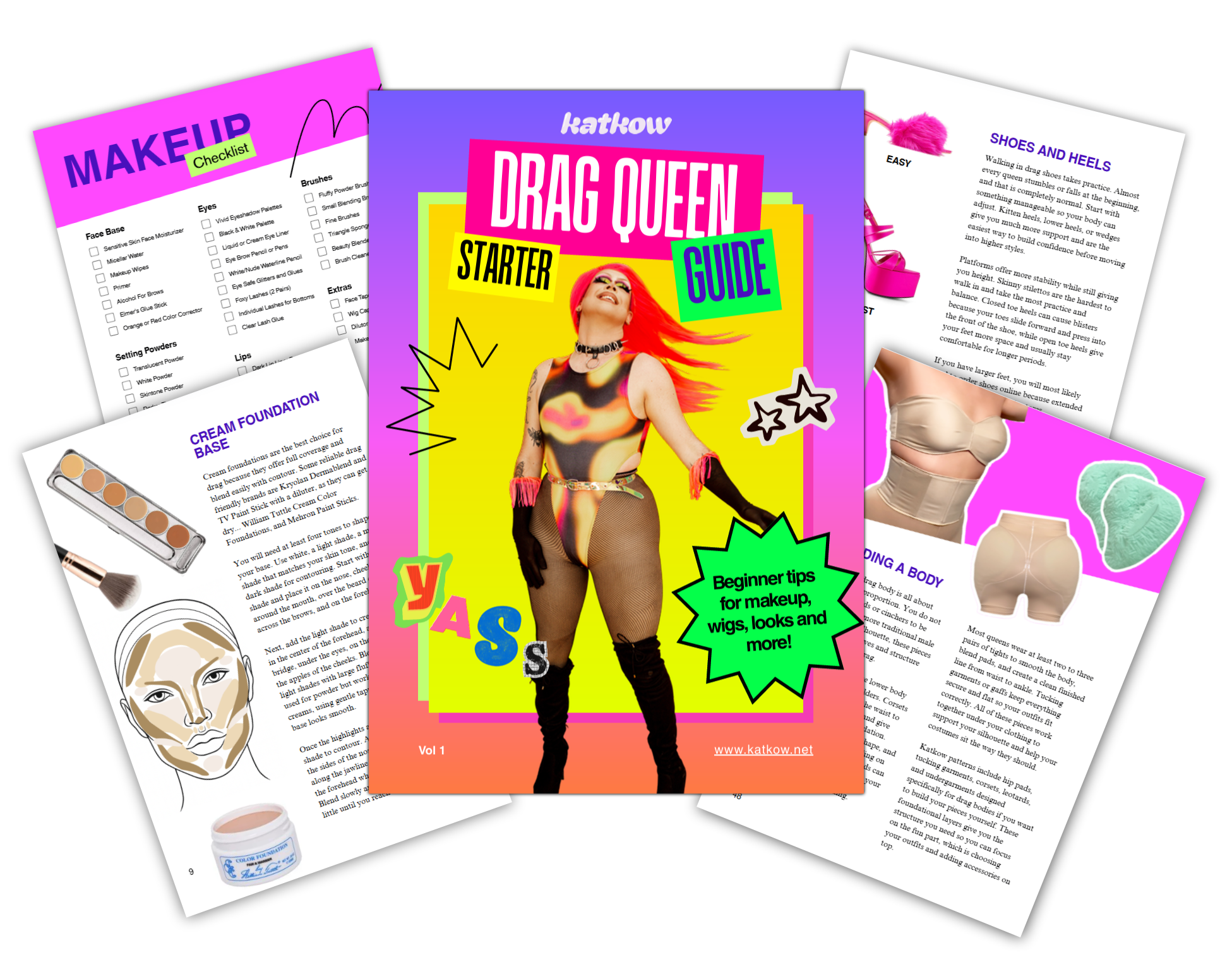
Explore our collection of pre-made sewing patterns designed for drag, cosplay, and performance wear. Each pattern comes with inclusive sizing and step-by-step instructions.
Sewing & Drafting Tutorials
Want to level up your skills? Check out our free tutorials on sewing techniques, drafting basics, and pattern adjustments — perfect for both beginners and advanced makers.